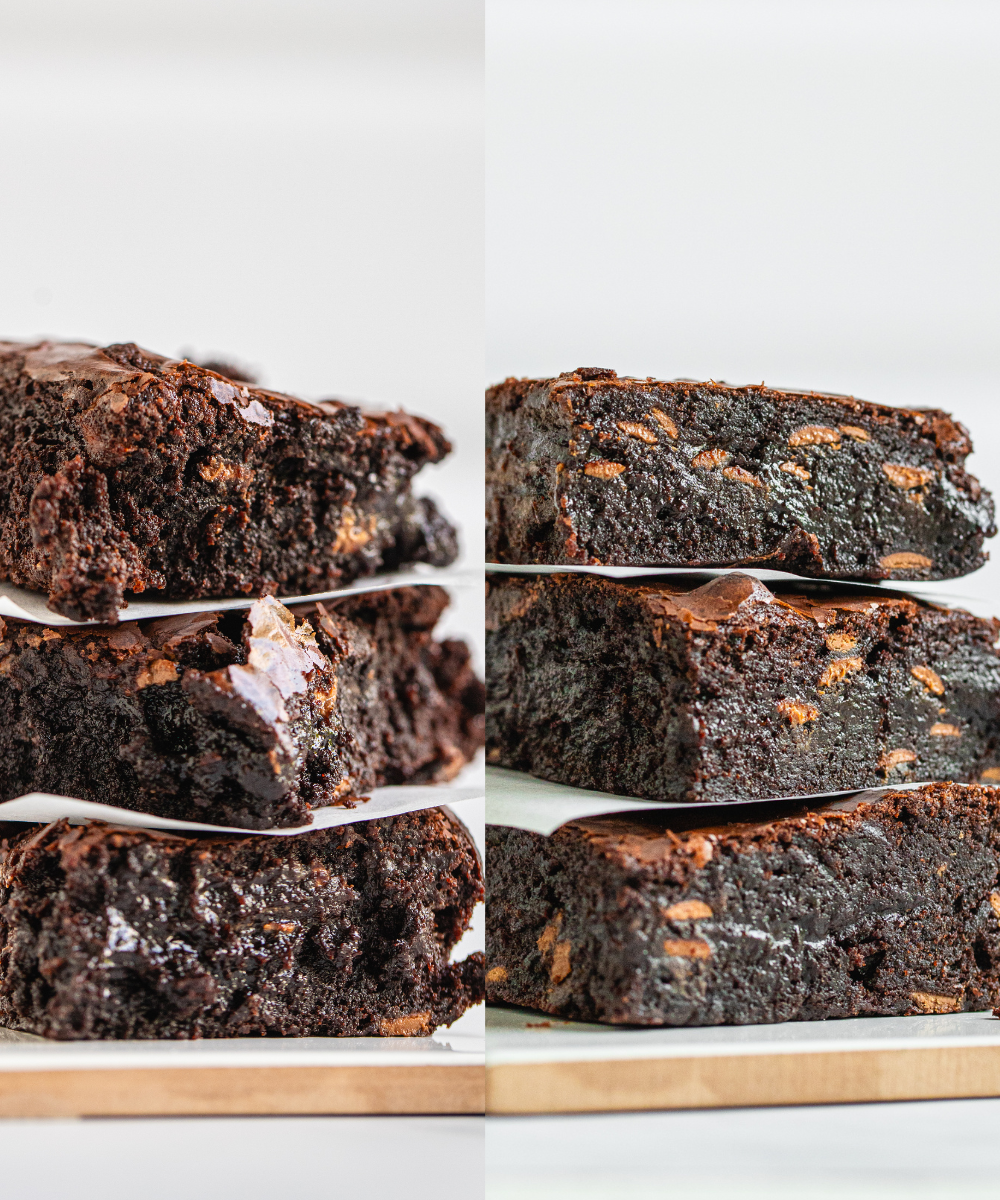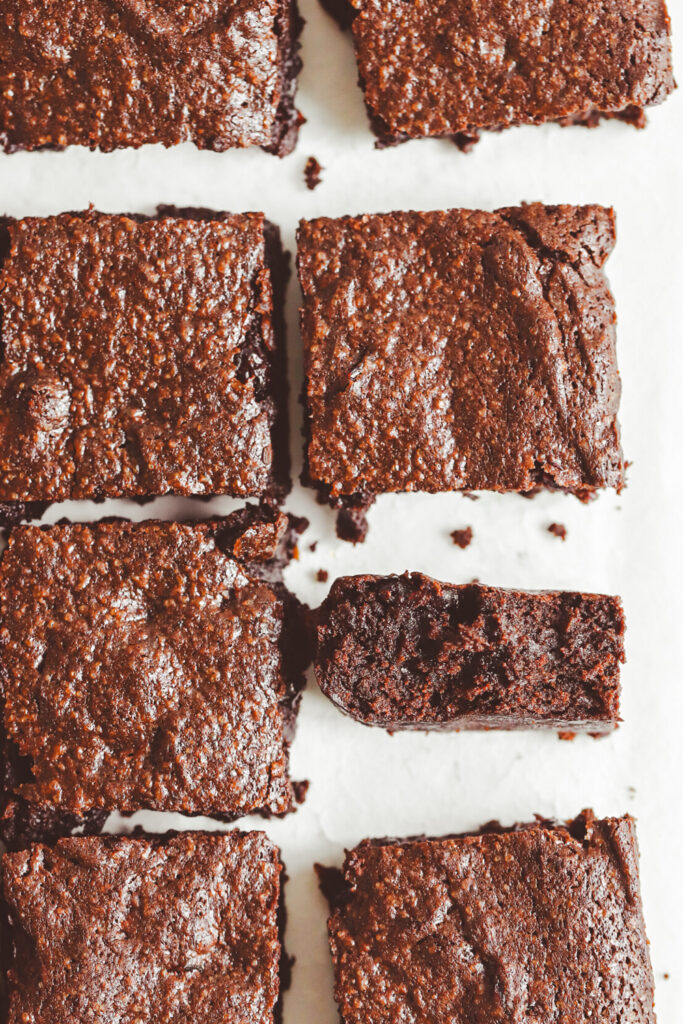
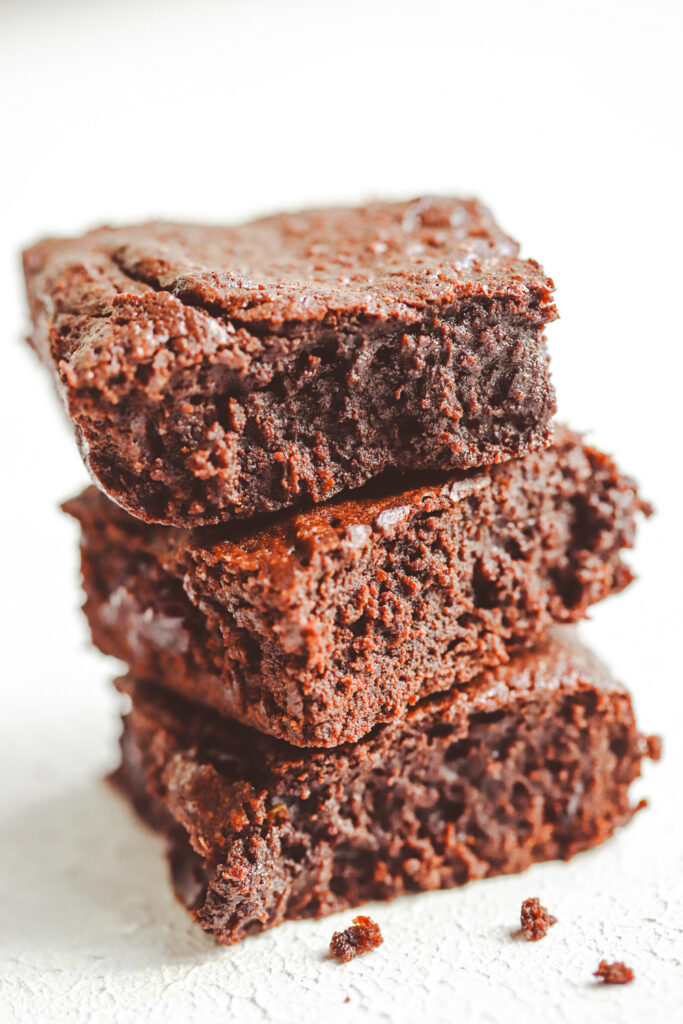
There are brownies… and then there are brownies. The kind that are perfectly fudgy in the center, with that thin, shiny, crinkly top that cracks when you slice it. The kind that tastes like pure chocolate heaven in every bite. This is that recipe — the one you’ll come back to again and again, because it’s simple, reliable, and downright irresistible.
Whether you’re baking from scratch for the first time or searching for the ultimate classic fudgy chocolate brownie to replace every boxed mix in your pantry, this recipe delivers everything you want: deep chocolate flavor, chewy edges, and that iconic gooey middle.
Let’s dive into how to make the best classic homemade brownies — the EveryBrownie way.
What Makes a Brownie “Classic”?
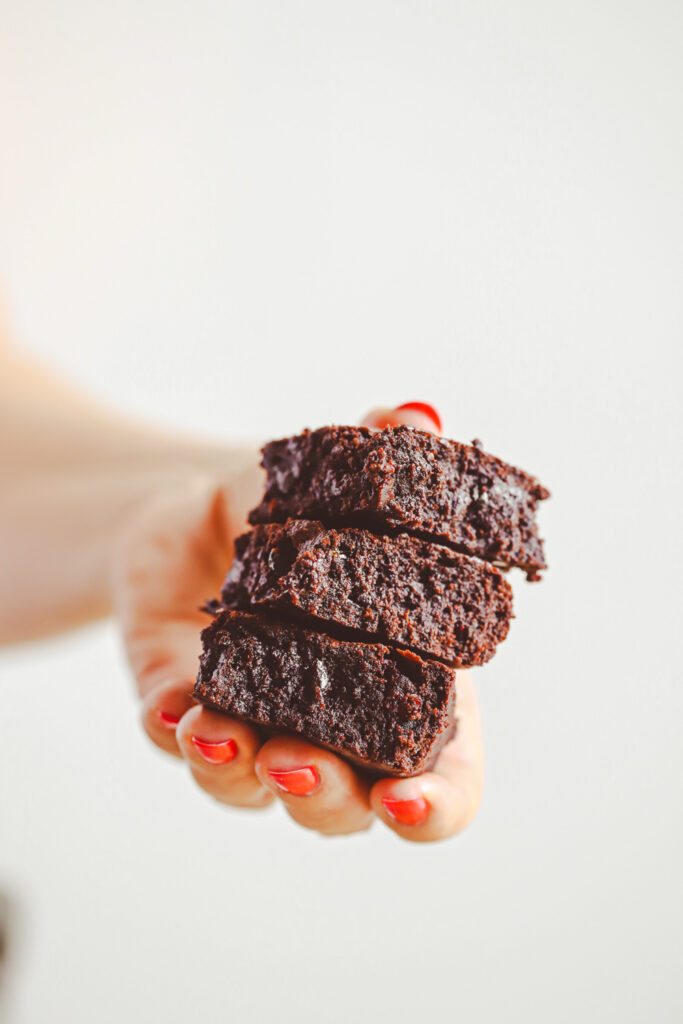
The term classic brownie doesn’t just mean simple. It’s a balance of everything we love about brownies: rich chocolate flavor, a chewy edge, and a soft, dense interior. Classic brownies use real butter, melted chocolate, and cocoa powder — no baking powder or leaveners. That’s what keeps them dense and fudgy, instead of airy and cake-like.
While every baker has their own idea of “the best brownies,” the EveryBrownie classic focuses on texture: shiny top, fudgy center, and enough structure to hold its shape when you bite in.
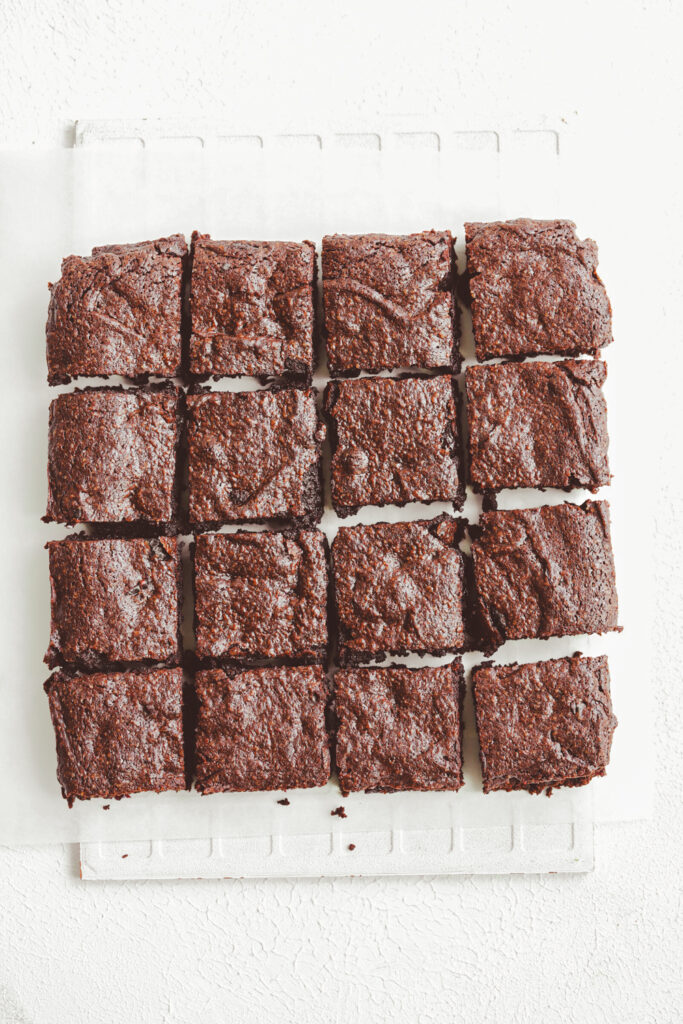
Fudgy vs. Chewy vs. Cakey Brownies
It’s one of the most common brownie debates — what texture is the best? Let’s break it down.
Fudgy Brownies:
Rich, dense, almost truffle-like inside. Achieved with more fat (butter and chocolate) and less flour. These are the gooey, melt-in-your-mouth kind — and our classic recipe leans heavily in this direction.
Chewy Brownies:
Thicker and more structured, but still moist. They get their chewiness from the right sugar ratio (granulated sugar helps create that chewy edge) and slightly longer baking. Some bakers add an extra egg yolk or a teaspoon of cornstarch to achieve that texture.
Cakey Brownies:
These have more flour and often a little baking powder. They’re lighter, fluffier, and resemble a chocolate cake bar more than a brownie. Not “wrong” — just not what most people crave when they say classic brownie.
If you want to stay classic and fudgy: keep your flour amount minimal and never overbake.
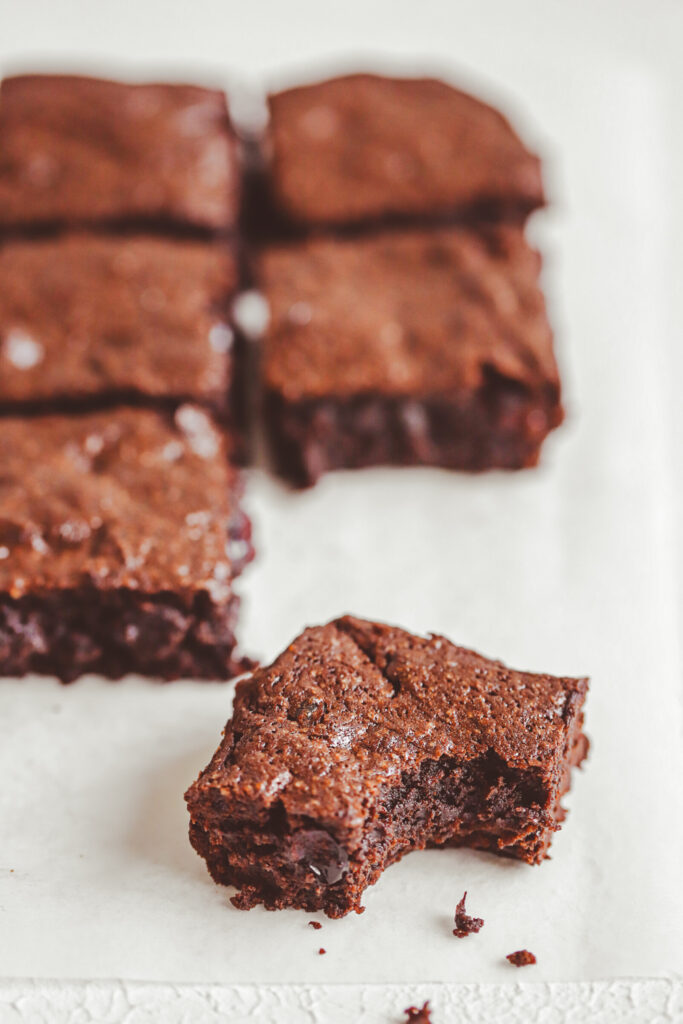
How to Get That Shiny, Crackly Top
That iconic brownie “crinkle top” is pure magic — and also pure science. It’s created by the sugar and eggs forming a thin meringue-like layer on top as the brownies bake.
Here’s how to guarantee it every single time:
- Whisk your sugar and eggs thoroughly. This helps dissolve the sugar and create a glossy batter. Some bakers even whisk for a minute or two until it’s slightly thick and pale.
- Use real granulated sugar, not brown sugar. Brown sugar adds chewiness but dulls the shine.
- Melted chocolate matters. Recipes that only use cocoa powder rarely achieve the same glossy surface.
- Don’t overmix once flour is added. You want that sugar-egg structure to stay intact.
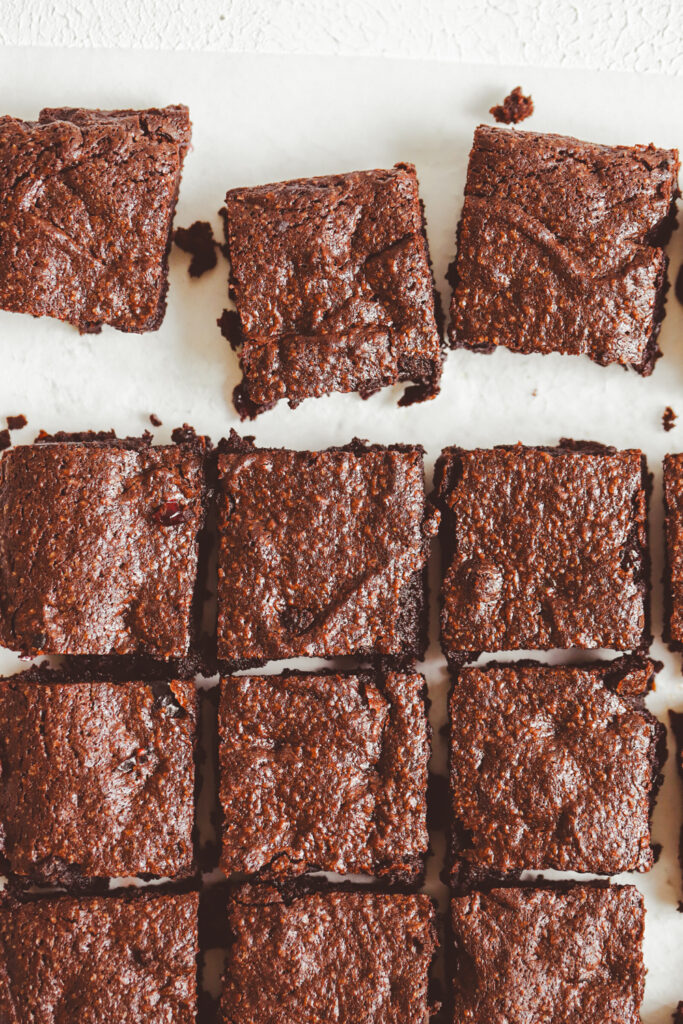
When done right, your brownies will have that beautiful, paper-thin, crackly top that makes every slice satisfying.
Sugar Secrets: How Sugar Affects Your Brownies
If you’ve ever wondered why some brownies have a shiny top while others look dull, or why one batch comes out gooey and the next turns cakey — the answer often comes down to sugar.
Granulated sugar is the key to that shiny, crackly crust. When it dissolves into the warm chocolate-butter mixture or gets whisked thoroughly with the eggs, it forms a thin meringue-like layer that hardens into that glossy surface as it bakes. That’s why using real granulated sugar (not powdered or brown) is non-negotiable if you want that classic look.
Brown sugar, on the other hand, contains molasses. That makes your brownies softer, moister, and more fudgy inside — but also gives the top a matte finish. So if you swap all the sugar for brown sugar, you’ll lose the shine but gain an incredibly gooey texture.
The sweet spot? A mix of both. Use about ¾ cup granulated sugar + ¼ cup light brown sugar for a perfect balance: glossy top, chewy edge, and fudgy center.
In short:
- Shiny top → granulated sugar
- Gooey, fudgy interior → brown sugar
- Best of both worlds → a mix of the two
Once you understand this sugar science, you can customize every batch exactly how you like it.
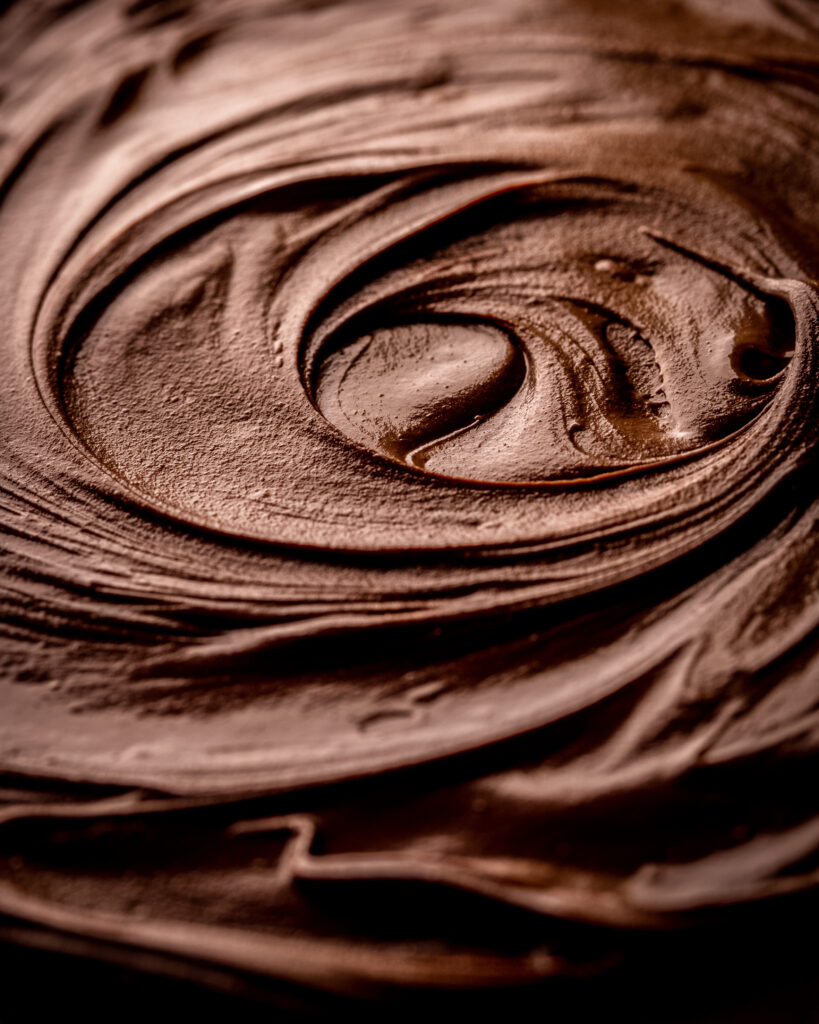
Cocoa Powder vs. Melted Chocolate — Which Is Better?
The truth? Both are essential.
- Melted chocolate gives your brownies richness, depth, and a velvety mouthfeel.
- Cocoa powder adds concentrated chocolate flavor and structure.
That’s why this recipe uses both. Too much cocoa alone can make brownies dry and chalky, while using only melted chocolate can make them too greasy or dense. The balance here creates the ultimate fudgy-yet-structured bite.
If you’re out of one or the other, you can substitute:
- 1 oz unsweetened chocolate = 3 tbsp cocoa + 1 tbsp butter
But for the perfect classic texture, use both.
How Long to Bake Brownies (and How to Know When They’re Done)
This is the step where most brownie disasters happen. Bake them too long, and they turn cakey and dry. Too short, and they collapse into molten batter.
Here’s the trick:
- Bake at 350°F (180°C) for 25–30 minutes.
- When you shake the pan gently, the center should wobble just a little.
- Insert a toothpick — it should come out with moist crumbs, not wet batter.
- The top should look shiny and slightly cracked.
Remember: brownies continue to cook as they cool. So if they seem just a touch underdone when you take them out, that’s perfect.
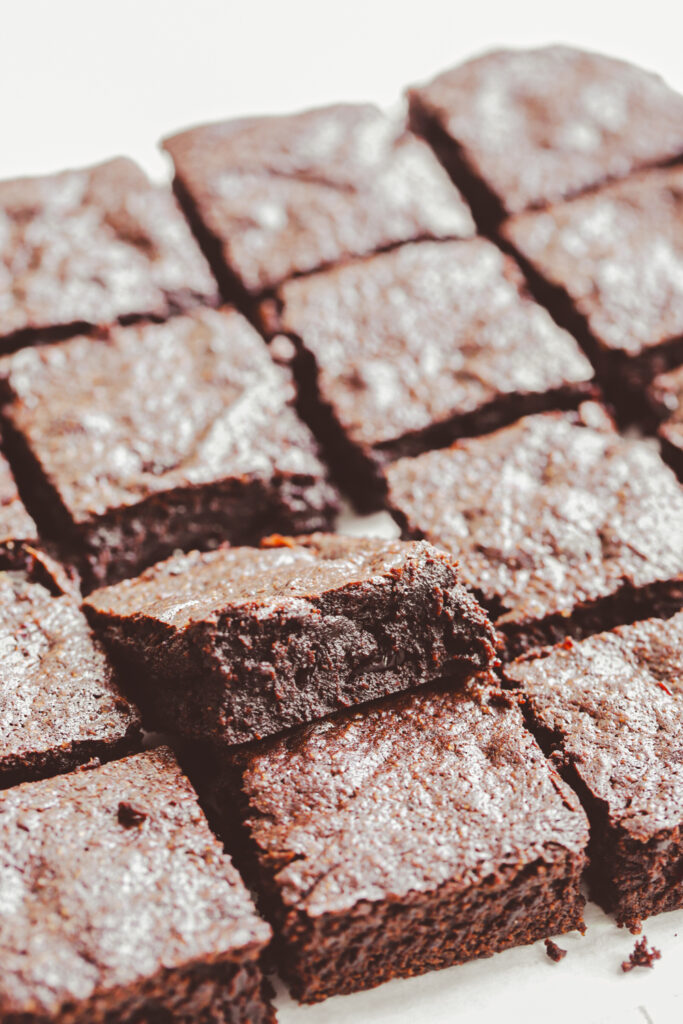
The Science Behind That Perfect Fudgy Texture
Why do brownies taste so much better when they’re fudgy? It’s all about fat, sugar, and moisture.
- More butter and chocolate = more fat = fudgier texture.
- Less flour = denser brownies. Flour builds structure, but too much makes them cakey.
- High sugar ratio = glossy top + chewy edges. Sugar doesn’t just sweeten — it controls moisture and caramelization.
- No leavening agents. Skip baking powder or soda; we’re not baking a cake here.
If you’ve ever wondered why boxed brownies never taste quite as good — it’s because they use stabilizers and cocoa instead of real chocolate and butter. Homemade brownies win every time.
Brownies from Scratch vs. Box Mix
Let’s be honest — we’ve all used a boxed brownie mix before. They’re convenient, but once you bake from scratch, there’s no going back.
Here’s why homemade wins:
- You control the ingredients — real butter, real chocolate.
- You can tweak the texture (more fudgy, more chewy) to your liking.
- You avoid the artificial aftertaste of preservatives.
- The smell of melting chocolate in your kitchen? Unbeatable.
Still, if you’re short on time, you can upgrade a box mix: add an extra egg yolk for richness, swap water for milk, or stir in a handful of chopped chocolate chunks before baking. But if you truly want the best brownies ever, this homemade classic is it.
Easy Flavor Variations
Once you master the base, you can take this classic brownie recipe anywhere:
- Salted Caramel Swirl: Drizzle caramel sauce before baking and sprinkle sea salt.
- Peanut Butter Brownies: Swirl in a few tablespoons of peanut butter for a salty-sweet combo.
- Espresso Brownies: Add an extra teaspoon of instant coffee for a mocha hit.
- Nut Lovers: Fold in chopped walnuts, pecans, or hazelnuts for crunch.
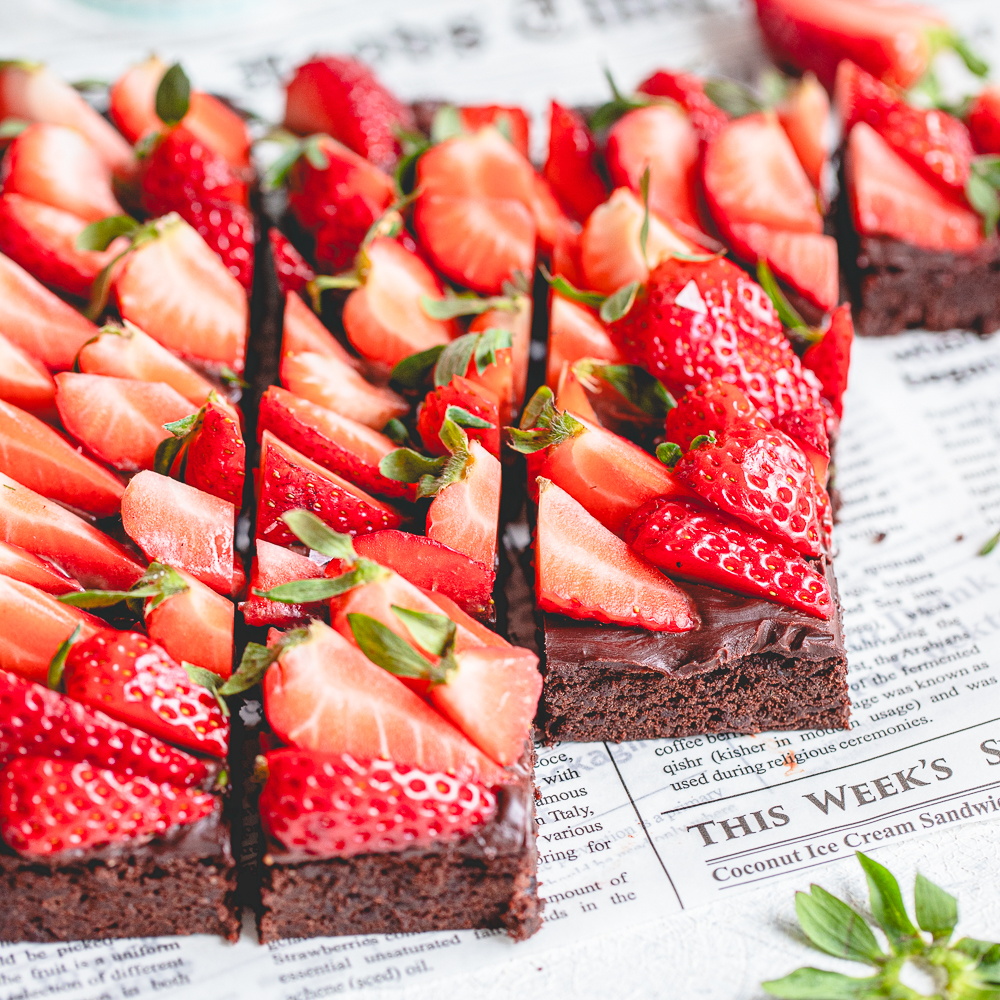
- Triple Chocolate: Stir in milk and white chocolate chunks for extra decadence.
Gluten-Free, Vegan, and Keto Variations
Gluten-Free:
Substitute the flour with equal parts of almond flour, oat flour, or a 1:1 gluten-free baking blend. Almond flour gives a lovely richness; oat flour keeps them tender.
Vegan:
Use melted coconut oil instead of butter and substitute the eggs with 2 “flax eggs” (2 tbsp ground flaxseed + 5 tbsp water). Use dairy-free dark chocolate.
Keto:
Replace sugar with erythritol or allulose, and use almond flour instead of wheat flour. The texture will be slightly different but still deliciously fudgy.
Common Mistakes to Avoid
Overbaking. Always take them out a little early — they’ll finish cooking as they cool.
Too much flour. Measure properly (use a scale if possible).
Mixing too long after adding flour. Overmixing builds gluten and toughens texture.
Cutting too soon. Let them cool completely or chill before slicing for clean edges.
FAQ – Everything You’ve Ever Wanted to Know About Classic Brownies
Why are my brownies cakey instead of fudgy?
Too much flour or baking too long. Stick to ¾ cup flour and pull them out when the center is slightly soft.
How do I get shiny tops on my brownies?
Beat the eggs and sugar until glossy before adding dry ingredients. That’s where the shine comes from.
Can I make brownies without chocolate, using just cocoa powder?
Yes, but they’ll be drier. Add extra butter (about 2 tbsp) to balance the texture.
How do I store brownies?
Keep them in an airtight container at room temperature for 3–4 days, or refrigerate up to a week. They also freeze beautifully for up to 3 months.
Can I double this recipe?
Yes! Use a 9×13 inch pan and add about 5 extra minutes to the bake time.

Classic Chocolate Brownie
Ingredients
Method
- Melt the chocolate and butter together over a double boiler or in the microwave in short bursts, stirring until smooth.
- Whisk in the sugar, then add the eggs one at a time, followed by the vanilla.
- Sift in the cocoa powder and salt, then gently fold in the flour.
- Pour the batter into a parchment-lined 8×8 inch (20×20 cm) baking pan.
- Bake at 350°F (180°C) for 25–30 minutes, until the top is shiny and slightly cracked, and the center looks just set but still soft.
- Cool completely before slicing — they’ll continue to set as they cool, giving you that signature fudgy texture.
Notes
Tried this recipe?
Let us know how it was!The EveryBrownie Classic
Every baker needs a go-to brownie recipe, and this one is meant to be yours. It’s rich, chewy, gooey, chocolatey, and endlessly customizable. Whether you’re baking for friends, family, or just yourself (because let’s be real — brownies are self-care), this is the kind of recipe you’ll memorize after a few tries.
Once you taste these, you’ll understand why we call them the only brownie recipe you’ll ever need.